
The FCRA Adverse Action Two-Step: Why One Notice Is Not Enough (And What It's Costing You)
Most employers still get FCRA adverse action wrong. Learn the two-step notice requirement that's triggering lawsuits and fines in 2026 before it hits you.
INSIGHTS & RESOURCES
Expert guidance on background screening, compliance, hiring best practices, and industry news.

Most employers still get FCRA adverse action wrong. Learn the two-step notice requirement that's triggering lawsuits and fines in 2026 before it hits you.

In 2026, the FTC and state attorneys general are cracking down on background screening practices with unprecedented intensity. Learn what changed, what it costs employers, and how to stay compliant with evolving FCRA requirements.

AI is transforming background screening - but it's not replacing it. Discover how AI speeds up turnaround times, improves data matching, flags risk patterns, and automates repetitive work. Plus: what AI cannot replace and why the best screening combines AI with human expertise.

Hiring in healthcare is not like hiring for a grocery line. You are trusting someone with lives. Learn the 7 critical verifications every healthcare employer must perform, the compliance traps that cost employers millions, and the three screening setups that balance speed with protection.

Six industries face the highest hiring risks: staffing, transportation, warehousing, healthcare, financial services, and construction. Learn why thorough background screening is non-negotiable in these sectors and what gaps most companies miss.

A single bad hire can cost $15,000 to $150,000 or more when you factor in recruitment, training, lost productivity, and legal liability. Learn what bad hires actually cost and how thorough background screening helps prevent the most expensive hiring mistakes.

The FCRA 7-year rule is the federal baseline for background check lookback periods, but it is not the whole story. Learn about felony exceptions, state variations, industry-specific requirements, and how to determine the right lookback period for your hiring process.

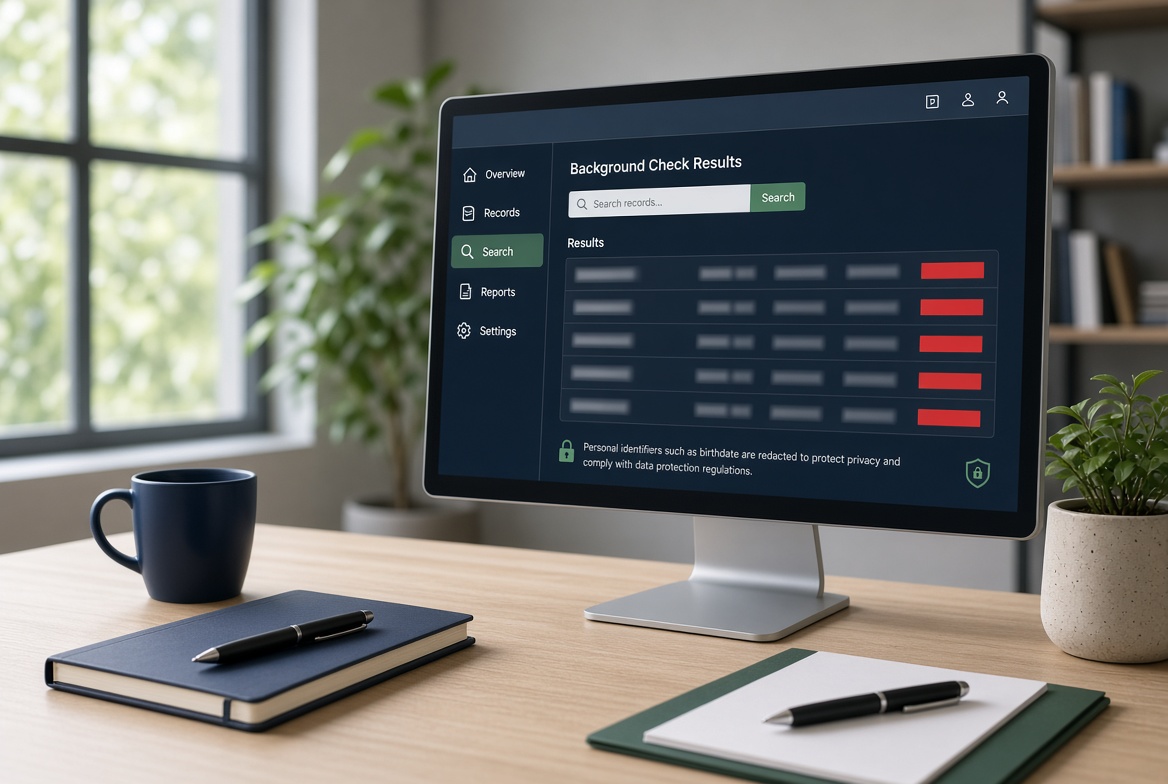
California and Michigan birthdate redaction laws are causing background check delays of 4 to 5 days. Learn why PII redaction is spreading, how it affects your hiring timeline, and what strategies keep your screening process on track.

The OIG exclusion list is updated every month, and employing an excluded individual, even unknowingly, can trigger civil penalties, full claim repayment, and loss of Medicare and Medicaid billing privileges. Learn what the standard of care actually requires.

A pre-hire background check only tells you who someone was on day one. Discover why ongoing employee screening services and continuous background screening solutions are the new standard for long-term workforce risk management.

Slow background checks cost employers thousands per month in lost productivity and candidate drop-off. Discover how fast background checks and hiring efficiency go hand in hand, and how a 5-minute employment background check can transform your time-to-hire.

Ban-the-box laws now cover more than 150 cities and 37 states. This employer guide breaks down which states require delayed criminal history inquiries, key penalties, and how to build a compliant hiring process in 2026.

Blanket criminal record exclusion policies can expose your company to EEOC liability. Learn the Green factors, individualized assessment requirements, and how to build a compliant screening policy that protects your business in 2026.

A step-by-step FCRA compliance checklist for high-turnover employers. Covers standalone disclosures, written authorization, adverse action notices, 2026 regulatory updates, and the most common violations that lead to costly lawsuits.