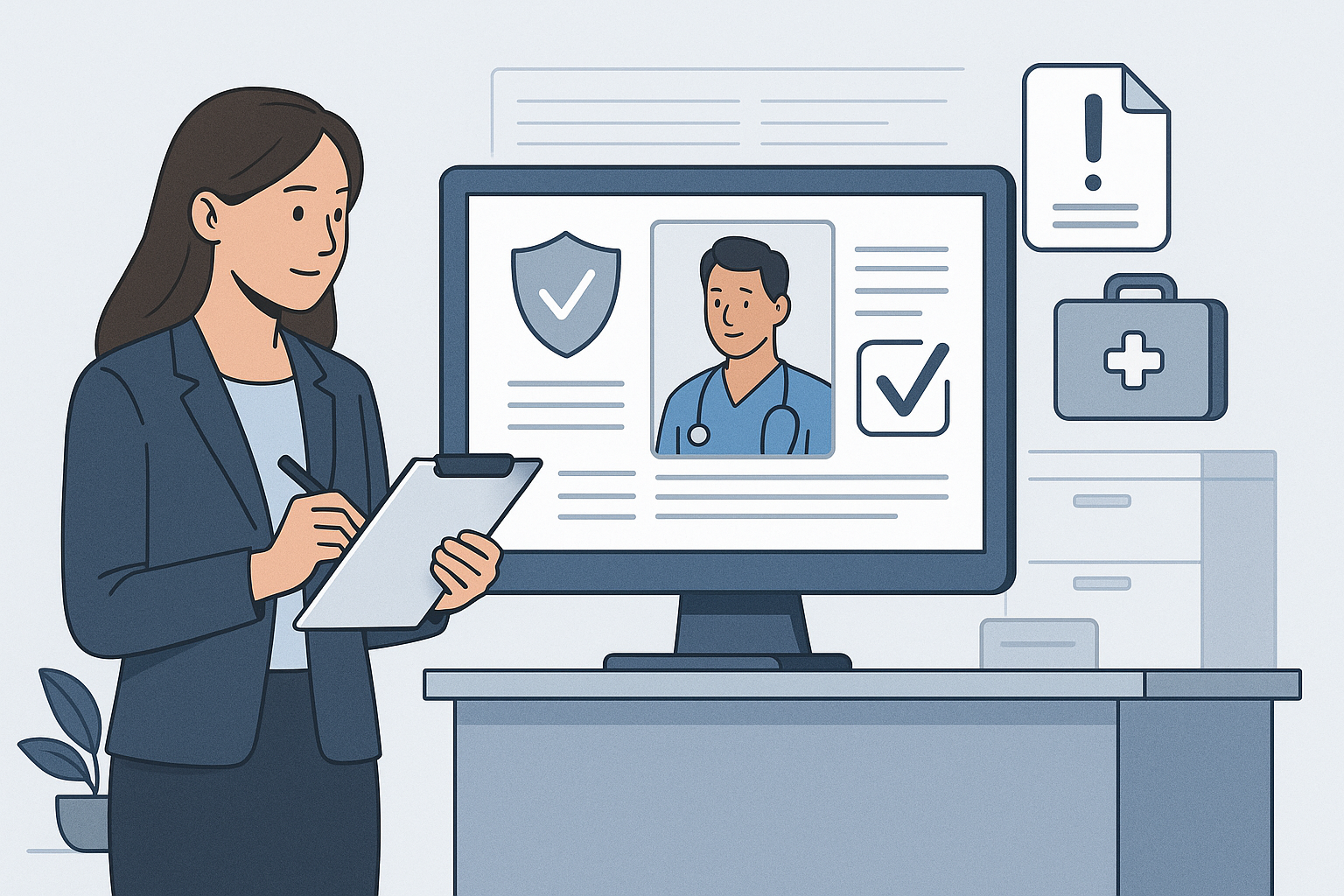
Healthcare employers face unique risks when hiring staff. Conducting OIG exclusion checks and reviewing sanctions and license-related issues helps protect your organization and ensure compliance.
Understanding OIG Exclusion Screening in Healthcare Hiring
When hiring healthcare professionals, it’s essential to verify that candidates are eligible to work in the industry without restrictions. One key step is conducting an OIG exclusion check. This screening helps employers identify individuals or entities excluded from participating in federally funded healthcare programs.
The Office of Inspector General (OIG) maintains a list of people and organizations excluded due to various reasons, including fraud, abuse, or other misconduct. Employing someone on this list can expose your organization to serious compliance risks, financial penalties, and reputational damage.
What Are Healthcare Sanctions and Why Do They Matter?
Healthcare sanctions are penalties or restrictions imposed on healthcare providers for violations of laws or regulations. These can come from federal or state agencies and may include suspension from government healthcare programs, fines, or revocation of licenses.
Sanctions impact an individual’s or organization’s ability to provide healthcare services and receive reimbursement. Hiring someone with active sanctions could jeopardize your organization’s participation in federal programs like Medicare or Medicaid.
The Role of License-Related Risks in Hiring Decisions
A valid professional license is often required for healthcare workers. License-related risks include expired, suspended, revoked, or otherwise problematic licenses. These issues can affect a candidate’s ability to legally perform their duties.
Ignoring license status during background screening can lead to employing unqualified staff, which may result in patient safety concerns, regulatory violations, and legal exposure.
Why Healthcare Employers Should Review Sanctions, Exclusions, and License Risks
1. Protect Your Organization from Financial Penalties
Federal regulations require healthcare providers to avoid employing excluded individuals. Violations can lead to hefty fines and repayment obligations. Regular OIG exclusion screening helps mitigate these financial risks.
2. Maintain Compliance with Healthcare Laws and Regulations
Healthcare is a highly regulated industry. Compliance with laws such as the False Claims Act and the Anti-Kickback Statute depends on proper screening of employees and contractors to avoid hiring excluded or sanctioned individuals.
3. Safeguard Patient Safety and Care Quality
Employing qualified, licensed professionals ensures the delivery of safe, effective care. Screening helps identify license-related issues that could compromise patient safety.
4. Protect Your Organization’s Reputation
News of hiring excluded or sanctioned personnel can damage your organization’s reputation. Maintaining thorough background checks helps uphold trust with patients, partners, and regulators.
What Does an OIG Exclusion Check Include?
An OIG exclusion check involves searching the OIG’s List of Excluded Individuals and Entities (LEIE) database. This list is publicly available and updated monthly. It identifies individuals and entities barred from participating in federally funded healthcare programs.
Employers should also consider checking other sources such as the System for Award Management (SAM) and state exclusion lists to get a complete picture.
Incorporating Healthcare Sanctions and License Checks into Background Screening
A comprehensive healthcare background check should include:
- OIG Exclusion Check: To identify federally excluded individuals or entities.
- Healthcare Sanctions Review: Checking for sanctions from federal and state agencies.
- Professional License Verification: Confirming licenses are current and in good standing.
By combining these elements, employers reduce the risk of non-compliance and improve hiring decisions.
Best Practices for Healthcare Employers
- Regular Screening: Conduct exclusion and sanction checks not just during hiring but periodically throughout employment.
- Document and Track Results: Keep detailed records of screening results and any follow-up actions.
- Train Hiring Managers: Ensure those involved in hiring understand the importance of these checks.
- Use Trusted Screening Partners: Choose background screening providers experienced in healthcare compliance.
How SaffHire Supports Healthcare Employers
SaffHire Background Screening specializes in helping healthcare organizations conduct thorough background checks, including OIG exclusion screening, sanctions reviews, and license verifications. Our solutions help employers stay compliant and make informed hiring decisions.
With easy-to-use reporting and access to up-to-date exclusion and sanction data, SaffHire supports your compliance efforts efficiently.
Conclusion
Healthcare employers have a responsibility to hire staff who are eligible, licensed, and free from sanctions or exclusions. Conducting OIG exclusion checks, reviewing healthcare sanctions, and verifying licenses are critical steps to protect your organization from compliance risks, financial penalties, and reputational harm.
Incorporating these checks into your hiring process helps ensure high standards of patient care and regulatory compliance.
---
*Disclaimer: This article is for informational purposes only and does not constitute legal advice. Employers should consult legal professionals or compliance experts for guidance specific to their situation.*
SaffHire helps employers build background screening packages based on role, industry, risk level, and compliance needs. Contact SaffHire to review the right screening package for your hiring process.