Learn the basics of drug testing policies for your workplace. Understand pre-employment, random, post-accident, and reasonable-suspicion drug testing in clear, simple language.
Introduction
Creating a clear and fair drug testing policy is important for many employers. A good policy helps maintain a safe workplace, protects your business, and supports employee well-being. This article explains the basics of common types of drug testing you might use, including pre-employment, random, post-accident, and reasonable-suspicion testing.
What Is Drug Testing?
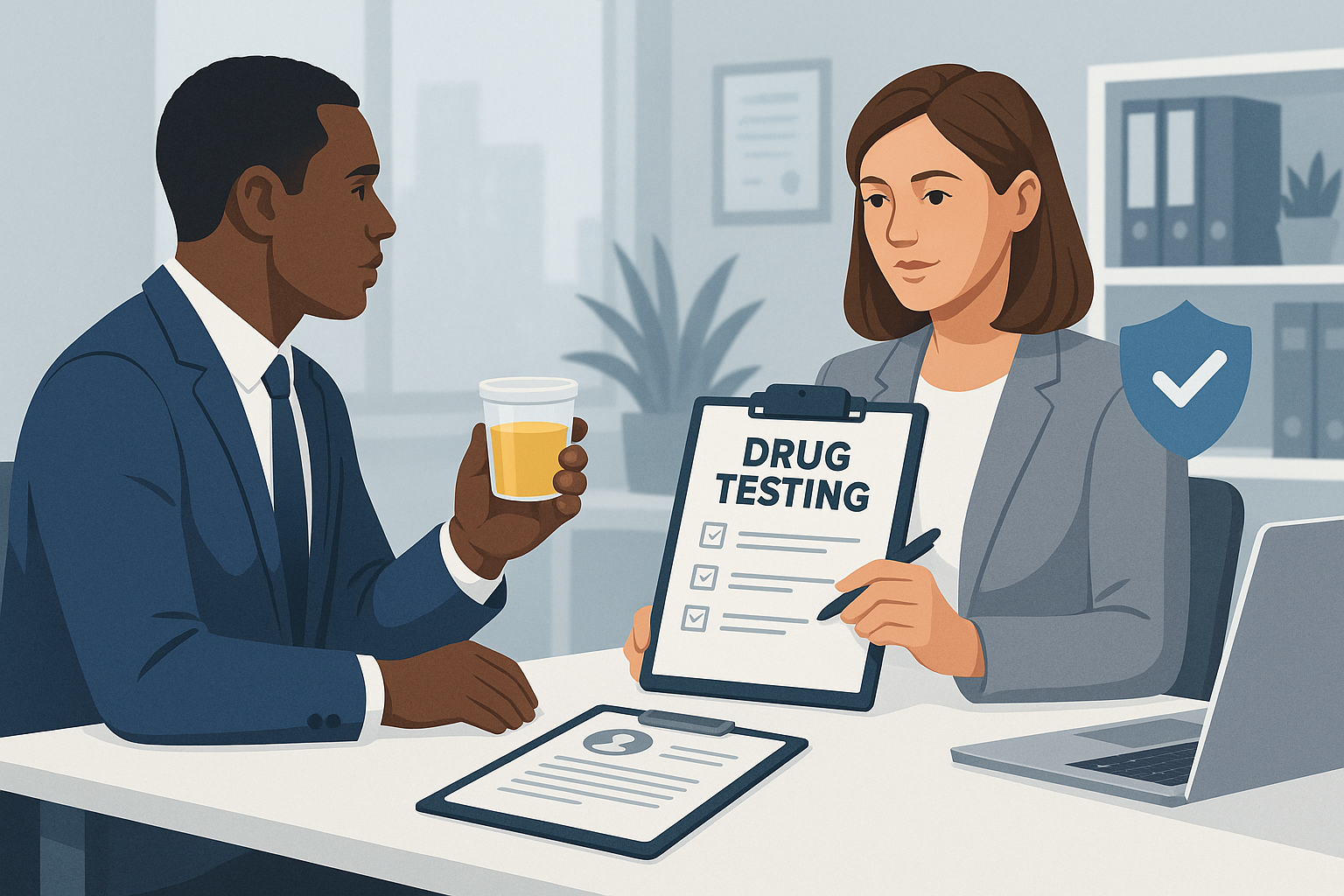
Drug testing checks whether someone has used illegal drugs or certain controlled substances. Employers often use it to make informed hiring decisions or to keep the workplace safe. Drug tests can include urine, saliva, hair, or blood samples.
Pre-Employment Drug Screening
What Is It?
Pre-employment drug screening happens after a job candidate has been offered a position but before they start work. The goal is to make sure new hires don’t use illegal drugs that could affect their job performance or safety.
Why Employers Use It
- Helps reduce workplace accidents
- Protects company reputation
- Encourages a drug-free workplace
How It Works
Candidates usually provide a urine sample at a testing facility. If the test is positive, the employer may decide not to hire the candidate. However, employers should have clear policies that explain the process and how results will be handled.
Random Drug Testing
What Is It?
Random drug testing means selecting employees at random to be tested without prior warning. This is often used in safety-sensitive industries, like transportation or manufacturing.
Why Employers Use It
- Deterrent against drug use
- Helps maintain ongoing safety
- Shows the company is committed to a drug-free workplace
How It Works
Employees are selected randomly, often by computer. They must then provide a sample for testing. Because it’s random, all employees have an equal chance of being tested.
Post-Accident Drug Testing
What Is It?
Post-accident drug testing occurs after a workplace accident or incident. The goal is to determine if drug use may have contributed to the event.
Why Employers Use It
- Helps understand causes of accidents
- Supports workplace safety improvements
- Can be required by insurance or regulations
How It Works
Testing usually happens as soon as possible after the accident. The employee involved provides a sample for testing. Results can influence follow-up actions, but employers should handle this process carefully and fairly.
Reasonable-Suspicion Drug Testing
What Is It?
Reasonable-suspicion testing happens when an employer believes an employee may be using drugs based on specific signs or behavior.
Why Employers Use It
- Addresses potential safety risks
- Helps intervene early to support employees
- Protects other employees and the workplace environment
How It Works
Supervisors or managers must document the observations that led to suspicion, such as erratic behavior, smell of alcohol or drugs, or physical signs. The employee is then asked to submit to a drug test. Clear guidelines and training for supervisors can help ensure this process is fair and consistent.
Developing a Clear Employer Drug Policy
A good drug testing program starts with a clear written policy. Here are key points to include:
- Types of drug tests used and when
- Who may be tested and under what circumstances
- How tests are conducted and confidentiality maintained
- Consequences of positive tests or refusal to test
- Employee rights and support options, like employee assistance programs
Make sure your policy complies with applicable laws and regulations. Communicate it clearly to all employees and include it in your employee handbook.
Why Work with a Background Screening Provider Like SaffHire
Managing drug testing programs can be complex. Partnering with a background screening provider like SaffHire can help you implement testing smoothly and professionally. They offer expertise in handling tests, managing results, and ensuring compliance with industry standards.
Using a trusted provider helps you focus on running your business while maintaining a safe, drug-free workplace.
Summary
Drug testing is an important tool for many employers to promote safety and a healthy work environment. Understanding the basics of pre-employment, random, post-accident, and reasonable-suspicion drug testing can help you develop and maintain an effective employer drug policy.
Clear communication, fairness, and consistency are key. When done right, drug testing supports your team and your company’s success.
---
*Disclaimer: This article is for informational purposes only and does not constitute legal advice. Employers should consult qualified professionals for guidance tailored to their specific situations and comply with all applicable laws.*
SaffHire helps employers build background screening packages based on role, industry, risk level, and compliance needs. Contact SaffHire to review the right screening package for your hiring process.