
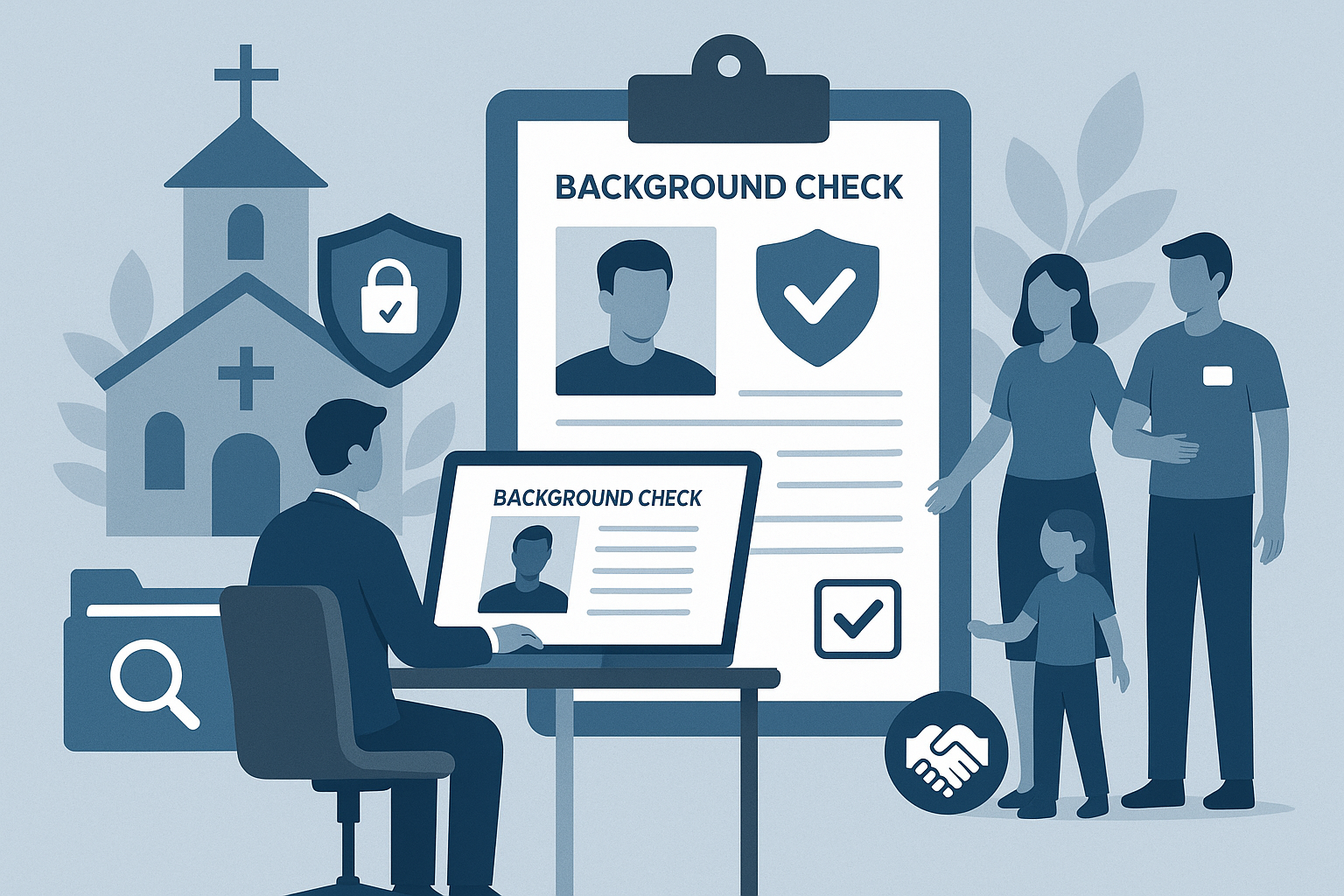
Volunteer background checks help churches and nonprofits maintain trust, ensure safety, and protect vulnerable populations. Learn why screening is essential and how it supports your mission.
Why Volunteer Background Checks Matter for Churches and Nonprofits
Churches and nonprofits rely heavily on volunteers to carry out their important work. Whether it’s leading youth programs, delivering meals, or supporting community events, volunteers play a vital role. However, with this responsibility comes the need to ensure a safe and trustworthy environment.
Volunteer background checks help organizations protect their members, maintain trust with the community, and safeguard vulnerable populations such as children, seniors, and individuals with disabilities.
Building Trust Within Your Community
Trust is the foundation of any church or nonprofit. When people donate time, money, or resources, they expect that the organization is responsible and careful about who it allows to work with its members.
Screening volunteers through background checks demonstrates your commitment to safety and transparency. It reassures donors, participants, and other stakeholders that you take their well-being seriously.
Enhancing Safety for Vulnerable Populations
Many nonprofit programs serve vulnerable groups who may be more susceptible to harm. Volunteers often work closely with children, seniors, or individuals with special needs. Without proper screening, organizations risk exposing these groups to potential abuse or neglect.
Background checks can help identify individuals with criminal histories or red flags that could pose a risk. While no screening process can guarantee safety, it significantly reduces the chance of placing someone unsuitable in a sensitive role.
What Volunteer Background Checks Typically Include
Volunteer background checks vary based on the organization’s needs and the role involved. Common elements include:
- Criminal history check: Reviews local, state, and national databases for convictions.
- Sex offender registry check: Ensures the individual is not listed on sex offender databases.
- Identity verification: Confirms the volunteer’s identity to prevent fraud.
- Reference checks: Contacts previous employers or other references to verify character and experience.
Some organizations may also require driving record checks or credit reports depending on the volunteer’s responsibilities.
Balancing Screening with Respect and Privacy
It’s important to conduct background checks respectfully and in compliance with applicable laws. Volunteers should be informed about the screening process and give consent before any checks are performed.
Organizations should also have clear policies about how background information is used and stored, limiting access to sensitive data to protect privacy.
Implementing a Volunteer Screening Program
Start by identifying which volunteer roles require background checks. Positions involving direct contact with vulnerable populations usually have higher screening standards.
Next, choose a reputable screening provider that understands the unique needs of churches and nonprofits. The provider should offer thorough, reliable, and timely reports.
Train your staff and volunteer coordinators on how to handle screening results, including how to address concerns fairly and consistently.
How Church Background Screening Supports Your Mission
Churches often play a central role in their communities, offering support and guidance. Background screening helps ensure that volunteers align with the church’s values and commitment to a safe environment.
Screening also protects the church’s reputation by reducing the risk of incidents that could damage trust and attendance.
Nonprofit Screening: An Essential Part of Risk Management
For nonprofits, managing risk is critical to sustaining programs and funding. Volunteer background checks are a proactive step to prevent harm and demonstrate due diligence.
They also help nonprofits meet insurance requirements and comply with grant conditions that may mandate screening.
Choosing SaffHire for Volunteer Background Checks
SaffHire Background Screening specializes in helping churches and nonprofits implement effective volunteer screening programs. Our services are designed to be straightforward, thorough, and tailored to the unique needs of your organization.
With SaffHire, you get clear reports and responsive support to help you make informed decisions while protecting your volunteers and community.
Conclusion
Volunteer background checks are an important tool for churches and nonprofits. They help protect vulnerable populations, build trust, and manage risk effectively.
By implementing thoughtful screening processes, organizations can focus on their mission with greater confidence and peace of mind.
---
*Disclaimer: This article is for informational purposes only and does not constitute legal advice. Organizations should consult with legal professionals to ensure compliance with applicable laws and regulations when conducting background checks.*
SaffHire helps employers build background screening packages based on role, industry, risk level, and compliance needs. Contact SaffHire to review the right screening package for your hiring process.